Coders Follow the Path of Computers

Did you know there used to be a profession literally called “computer” — people who performed math by hand? Electronic machines replaced them. Now software development is moving in the same direction.
I still meet engineers who are in the denial stage about AI tooling and what it means for our work, the job market, and the definition of coding itself.
And I’m not even talking about those who still have no idea that AI tools can write code. I’m talking about those who can see where it is going but calm themselves by saying, “I tried it. It fails when contextual complexity increases!”
In 2025, most AI coding tools were still sold as assistants. At that time, it was not intelligence that was the bottleneck, but rather tooling and methodologies. By mid-2026 this gap is closing, so mainstream AI coding tools are being transformed into AI coding agents.
Look at the modern interfaces from Codex, Claude Code, GitHub Copilot, Cursor, and others. The code editor is no longer the primary component. It is optional.
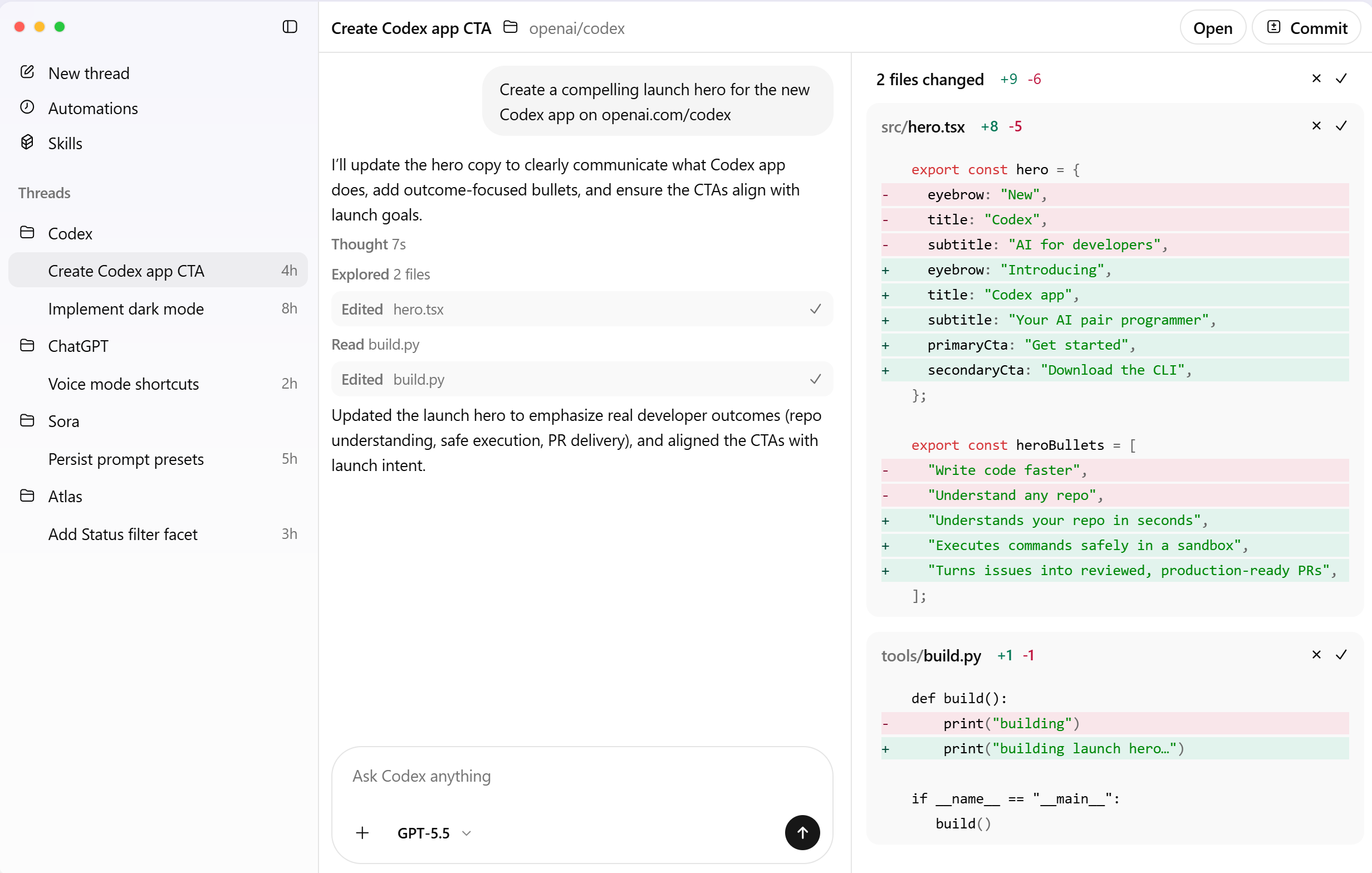
No, this is not a silly designer decision. This is a trend. Coding — turning product or feature specs into code — is collapsing. It is being automated.
Harness engineering is being practiced, and there are still many practical issues to address like token (cost-per-feature) efficiency or reliable security and quality guardrails. No doubt these will eventually be solved. But the mental mindset shift towards AI-driven software development is already happening.
I highly recommend to watch the talk from Geoffrey Huntley, Software Development Now Costs Less Than Minimum Wage, if you still have doubts.